Worried about your precious appliances surviving the chaos of moving day without sustaining costly damage? Get ready to become a relocation protection expert – we’ll walk you through exactly how to safeguard your investments and avoid the heartbreak of discovering hidden damage weeks after your Burnaby move!
Picture this: you’ve just settled into your gorgeous new home in Brentwood, and everything seems perfect until your washing machine starts making weird grinding noises three weeks later. Or maybe your refrigerator isn’t keeping things cold enough, and you’re realizing that expensive repair bill could’ve been completely avoided with proper moving preparation. Trust me, I’ve been there – watching a moving team manhandle my brand-new dishwasher while I stood there helplessly, not knowing what I should be doing to protect my investment.
The thing about appliance moving damage is that it’s often invisible at first glance. Your dryer might look absolutely pristine sitting in your new laundry room, but if the internal drum got knocked out of alignment during transport, you could be looking at expensive repairs down the road. That’s why understanding appliance relocation protection isn’t just helpful – it’s essential for any Burnaby homeowner who wants to avoid throwing money down the drain.
Key Outtakes:
- Proper preparation 24-48 hours before moving day is essential for appliance safety and functionality
- Different appliances require specific disconnection and preparation procedures to prevent damage
- Using appropriate moving equipment like appliance dollies and protective materials significantly reduces risk
- Climate-controlled storage and proper positioning during transport are crucial for appliance longevity
- Professional movers with appliance expertise can save you time, money, and potential injuries
Understanding the Hidden Complexity of Appliance Damage
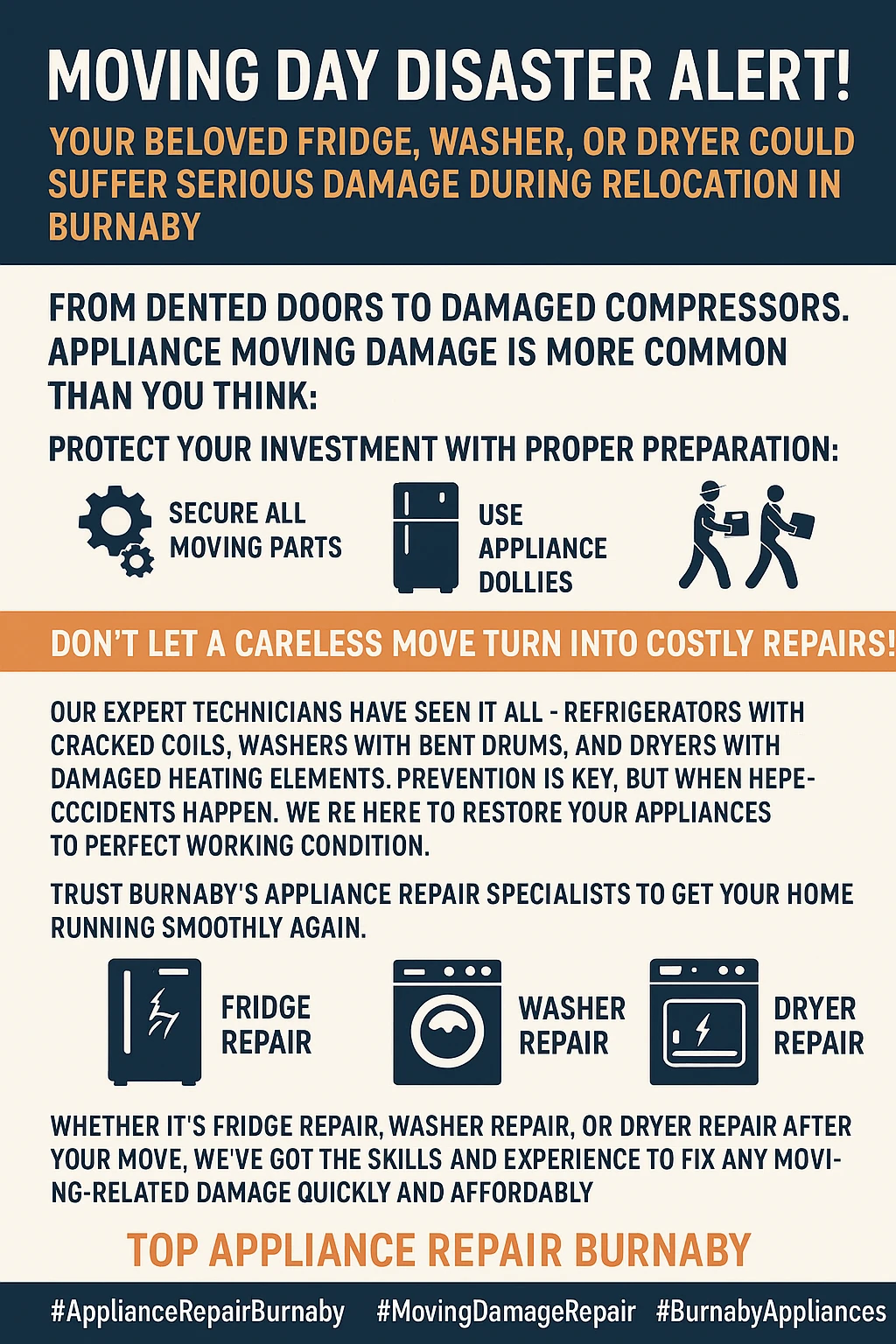
Moving appliances presents unique challenges that go far beyond simply picking up heavy objects and placing them in a truck. These sophisticated machines contain delicate internal components, electronic systems, and mechanical parts that can be easily damaged if not handled properly. Unlike furniture or boxes, appliances require specific preparation procedures that must be completed well before moving day arrives.
The refrigerant systems in your fridge, the drum mechanisms in your washer, and the heating elements in your dryer all need special attention to ensure they continue functioning properly in your new home. What makes this particularly tricky is that damage often isn’t immediately visible – your appliance might look perfect on the outside while suffering internal damage that won’t show up until weeks or months later.
The weight and awkward dimensions of most household appliances create additional complications during the moving process. A standard refrigerator can weigh anywhere from 200 to 400 pounds, while washers and dryers typically range from 150 to 300 pounds each. These aren’t just heavy items – they’re top-heavy, bulky, and often have protruding handles or doors that can catch on doorways, walls, or other obstacles. The combination of weight, size, and delicate internal components means that improper handling can result in expensive repairs or complete appliance replacement.
Pre-Move Preparation That Actually Prevents Damage
The secret to protecting your appliances during a move starts days before the moving truck even arrives at your door. This preparation phase is where most DIY moves go wrong because people underestimate just how much advance planning these machines actually need. Proper preparation isn’t just about making the move easier – it’s about preventing expensive damage and ensuring your appliances work perfectly in their new home.
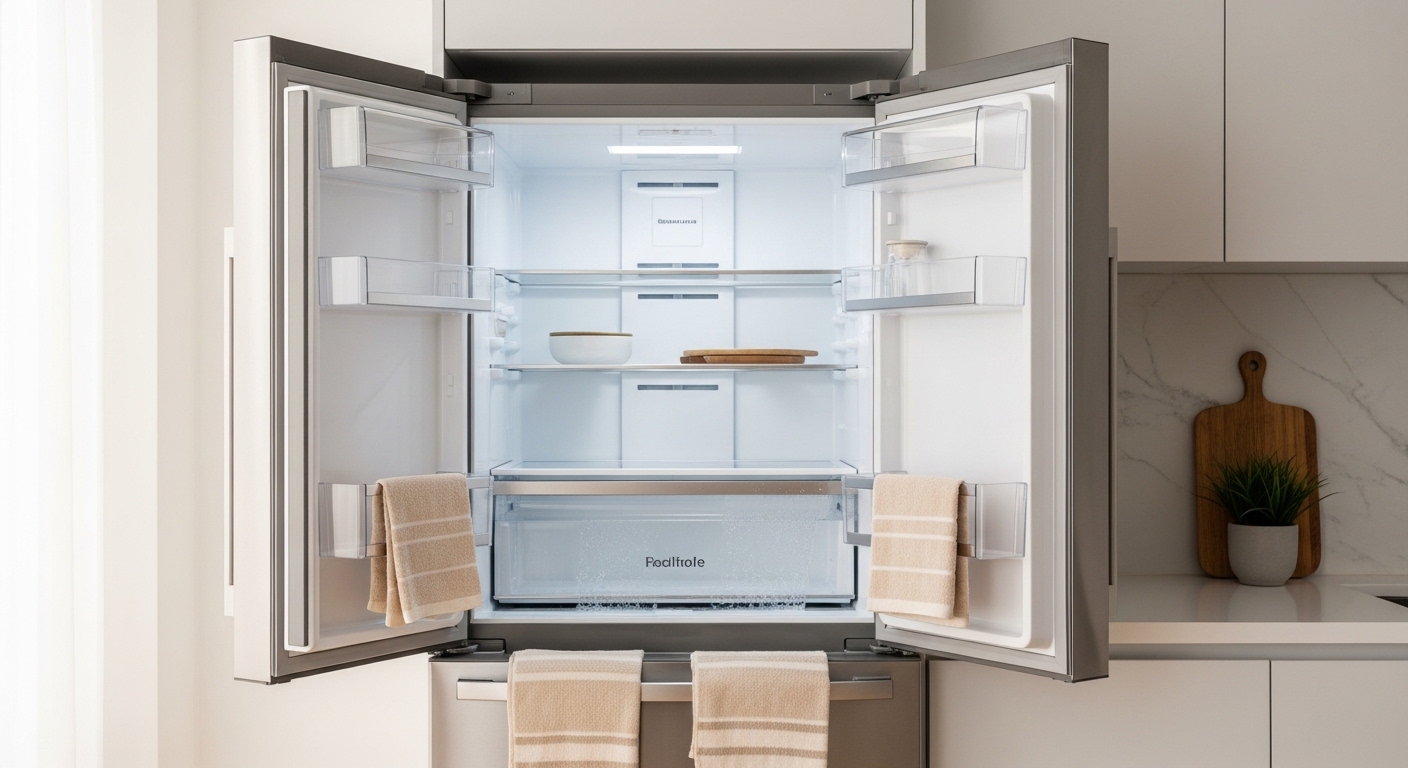
Starting with your refrigerator and freezer, the defrosting process alone can take anywhere from 8 to 24 hours depending on the amount of ice buildup. Begin by removing all food items and consuming or donating perishables that won’t survive the move. Unplug the unit and prop the doors open with towels to maintain airflow and prevent mold growth. Professional moving companies recommend placing towels around the base to absorb melting ice and condensation.
Once defrosting is complete, thoroughly clean and dry all interior surfaces before securing the doors with rope or bungee cords – never tape, as this can damage the finish. Your washing machine requires special attention to remove all water from internal components and hoses. Run a final rinse cycle using warm water for approximately 30 seconds, then drain any remaining water into a container.
For residents moving within areas like Metrotown or Capitol Hill, where apartment living often means dealing with narrow hallways and service elevators, taking precise measurements becomes even more critical. You need to measure not just the final installation space, but every single doorway, hallway, stairwell, and tight corner your appliance needs to navigate. This includes accounting for door knobs, wall sconces, handrails, and any other protrusions that might interfere with moving a large, heavy appliance through your home.
Professional Equipment and Protection Strategies
Understanding what equipment professional movers use can help you make informed decisions about whether to tackle the job yourself or hire experts who specialize in appliance relocation. The right equipment makes all the difference between a successful appliance move and a disaster waiting to happen, especially when dealing with the diverse housing stock found throughout Burnaby.
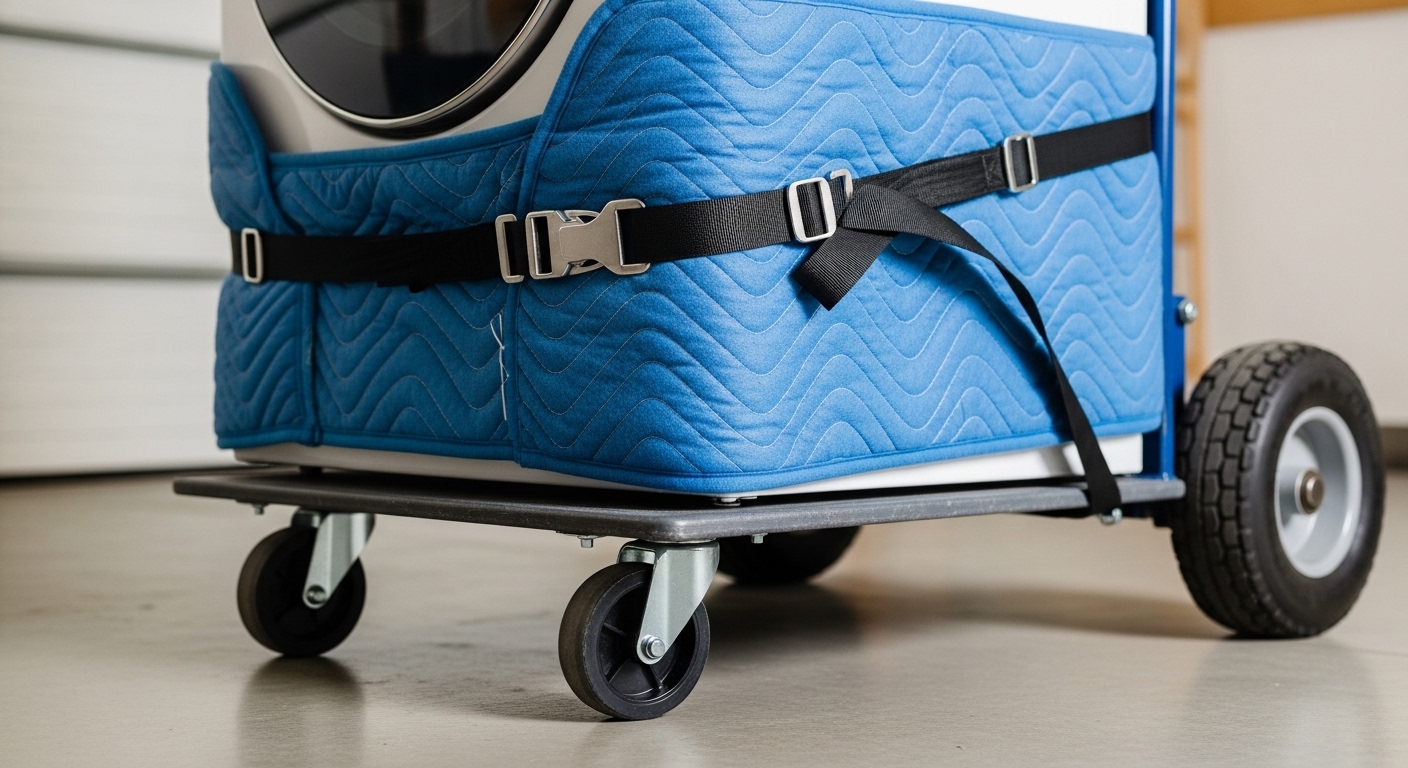
An appliance dolly stands as the most crucial piece of equipment for safe appliance moving. Unlike standard dollies, appliance dollies are engineered to handle loads up to 700 pounds and feature specialized design elements that make them ideal for large household machines. These dollies have a taller back support, wider base, and often include stair-climbing capabilities with special wheel configurations that provide enhanced leverage while reducing the risk of injury to movers.
Protective materials are equally important for preventing scratches, dents, and other cosmetic damage during the move. Heavy-duty moving blankets or furniture pads should be wrapped around each appliance and secured with moving straps rather than tape, which can damage finishes. For appliances with delicate surfaces like stainless steel, consider using specialized protective film or cardboard shields for extra protection.
Moving straps and tie-downs serve multiple purposes in appliance relocation. They secure protective materials in place, help bind doors shut, and most importantly, they’re essential for safely strapping appliances to dollies and securing them within the moving truck. When loading appliances into the truck, they should be positioned upright when possible and secured to prevent shifting that could cause internal damage. For moves in areas like Brentwood where homes often feature multiple levels, having the right strapping system becomes even more important for navigating stairs safely.
Transportation and Climate Considerations
Once your appliances are properly prepped and ready to move, the transportation phase becomes critical for maintaining their condition and functionality. This is where understanding the specific needs of different appliance types can make or break your moving experience, especially when you’re dealing with Burnaby’s variable weather conditions throughout the year.
Temperature control during transport is something many people overlook, but it’s crucial for appliance longevity. Extreme temperature changes can affect sensitive electronic components and cause condensation to form inside appliances, potentially leading to electrical problems or rust. If you’re moving during winter months, ensure appliances are properly covered and protected from moisture, and avoid leaving them in unheated trucks for extended periods.
Proper positioning during transport is equally important. Refrigerators should never be transported on their side or back, as this can cause compressor oil to flow into the cooling lines and potentially damage the cooling system. Washers need special attention to prevent the drum from banging around during transport, which can damage the suspension system or the outer tub.
For gas appliances like dryers or ranges, additional safety considerations come into play. These units must be properly disconnected by qualified technicians before moving, and the gas lines must be capped to prevent leaks. Professional restoration services often recommend having gas appliances reconnected by certified technicians to ensure safety and proper operation in your new home.
Post-Move Setup and Damage Assessment
Successfully transporting your appliances is only half the battle – proper reconnection and setup in your new home is equally important for ensuring everything works correctly and safely. This phase often reveals whether your moving preparation was thorough enough and can make the difference between a smooth transition and weeks of troubleshooting problems.
The settling period for refrigerators is something many people rush through, often to their regret later. After transport, refrigerators need to sit upright and unplugged for at least 4-6 hours before being plugged in. This allows any compressor oil that may have shifted during transport to settle back into its proper position. Rushing this step can result in compressor damage that might not show up immediately but can significantly shorten your appliance’s lifespan.
When reconnecting water lines for dishwashers and washing machines, check all connections carefully for leaks before running full cycles. Even minor vibration during transport can loosen fittings that seemed secure before the move. Run a short test cycle and monitor for any unusual noises, leaks, or performance issues that might indicate transport damage.
For homeowners in areas like Deer Lake where older homes might have different utility configurations than your previous residence, this is also the time to ensure all electrical and gas connections meet current safety codes. What worked in your old home might not be appropriate for your new location, and this is definitely not an area where you want to cut corners on safety.
Frequently Asked Questions
How far in advance should I start preparing my appliances for a move?
You should begin appliance preparation at least one week before your moving date, with critical steps like refrigerator defrosting starting 24-48 hours in advance. This timeline ensures that your appliances have sufficient time to reach the proper state for safe transport while preventing any last-minute complications that could delay your move.
The preparation timeline varies by appliance type, but starting early gives you flexibility to address any unexpected issues that might arise. For example, if your washing machine has a persistent water leak that you discover during preparation, you’ll have time to address it before moving day.
What should I do if I notice my appliance isn’t working properly after the move?
First, check that all connections are secure and that you’ve followed the proper settling procedures, especially for refrigerators. If problems persist, document the issues with photos and contact your moving company immediately if you suspect transport damage occurred.
Many transport-related issues are covered by moving insurance, but you’ll need to report problems quickly and provide evidence that the damage occurred during the move rather than from normal wear and tear. Keep all moving documentation and take photos of your appliances both before and after the move.
Should I hire professional movers specifically for my appliances?
For expensive or complex appliances, professional movers with appliance expertise are often worth the investment. They have the specialized equipment, experience, and insurance coverage to handle valuable appliances safely, which can save you money in the long run if something goes wrong.
Consider factors like the age and value of your appliances, the complexity of your move, and your own comfort level with heavy lifting and technical disconnection procedures. For moves involving multiple flights of stairs or particularly valuable appliances, professional help is usually the safer choice.
Wrapping Up
Protecting your appliances during a Burnaby move doesn’t have to be the stress-inducing nightmare that many people experience. With proper preparation, the right equipment, and attention to the specific needs of each appliance type, you can ensure your valuable machines make it to their new home in perfect working condition. Remember, the key is understanding that this isn’t just about lifting heavy objects – it’s about protecting complex mechanical systems that keep your household running smoothly.
When appliance damage does occur despite your best efforts, don’t hesitate to reach out to Top Appliance Repair Burnaby for expert diagnosis and repair services. Our experienced technicians understand the unique challenges that moving can create for household appliances, and we’re here to help get your home back to normal as quickly as possible.