
Struggling with a sputtering dishwasher or temperamental washing machine that’s been giving you headaches for months? You’re not alone – Burnaby homeowners face this costly dilemma every day, and making the wrong choice can drain your bank account faster than a broken washing machine empties onto your kitchen floor.
Picture this: it’s Sunday morning in your cozy Burnaby home, you’re making pancakes for the family, and suddenly your refrigerator starts making sounds that remind you of a helicopter trying to land in your kitchen. Standing there in your favorite slippers, coffee mug in hand, you’re faced with that dreaded question every homeowner knows too well – is this the beginning of the end for your trusty appliance? As someone who’s navigated the tricky waters of appliance breakdowns in our beautiful coastal city, I can tell you that the repair versus replacement decision hits different here than anywhere else.
Living in Burnaby means dealing with unique challenges that most generic online guides completely ignore. Our salty coastal air loves to mess with internal components, while the humidity from those gorgeous rainy days can wreak havoc on everything from door seals to electronic circuits. Add in the fact that a decent new dishwasher can easily cost more than your monthly groceries, and suddenly that repair quote doesn’t look so scary after all.
The thing is, most homeowners approach this decision with outdated rules of thumb or advice that doesn’t account for our specific regional challenges. Between our coastal climate that accelerates appliance wear, the eye-watering cost of replacements in Metro Vancouver, and the hidden fees that can add hundreds to your total bill, the standard “50% rule” often leads people astray. There’s something deeply satisfying about breathing new life into a faithful appliance that’s served your family well, especially when you know that perfectly good machine would otherwise contribute to the mountains of electronic waste heading to landfills.
Key Outtakes:
- Follow the enhanced 50% rule: if repair costs exceed half the replacement price plus hidden costs, consider replacement after factoring in your appliance’s remaining lifespan
- Burnaby’s coastal climate and humidity can shorten appliance life by 2-3 years compared to interior regions, making maintenance crucial
- Appliances under 8-10 years old with minimal repair history are usually worth fixing, while units requiring multiple annual repairs signal replacement time
- Hidden replacement costs including delivery ($50-$150), installation ($100-$300), and disposal ($50-$100) can add $300-$500 to your total investment
- Energy efficiency improvements in modern appliances can save $100-$200 annually, potentially offsetting replacement costs over time

Understanding Burnaby’s Unique Appliance Challenges
Living in Burnaby creates specific hurdles for our household appliances that most repair guides completely overlook. Our proximity to the Pacific Ocean means that salt air doesn’t just give us those stunning sunset views – it also accelerates corrosion on metal components inside your machines. Even if you’re not right on the waterfront, those salt particles travel surprisingly far inland, especially during storms when ocean spray can reach neighborhoods well away from the coast.
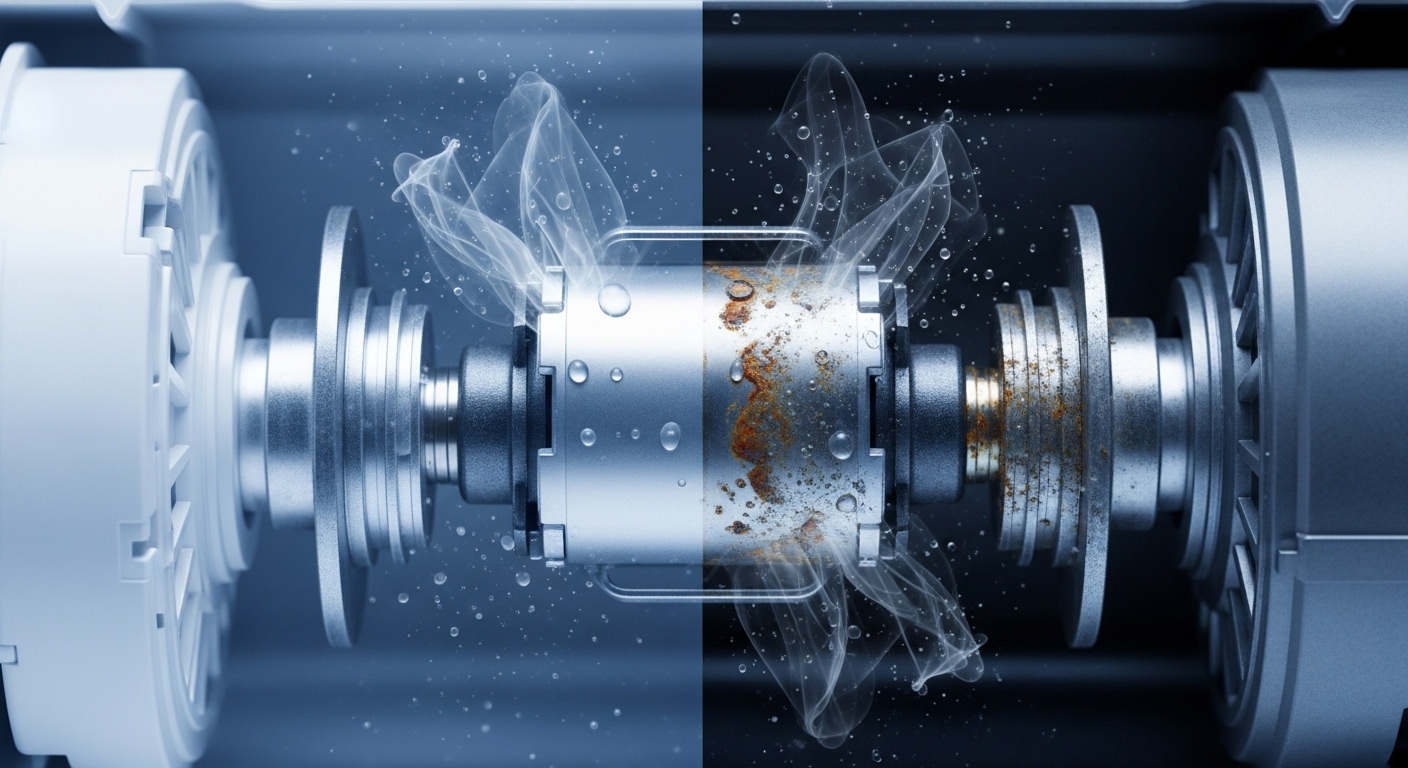
The humidity levels that keep our gardens so lush also create perfect conditions for mold growth and moisture damage in places you’d never think to check. Front-loading washing machines are particularly susceptible, developing that musty smell and door seal problems faster than identical machines in drier climates. Your refrigerator’s internal drainage system can become a breeding ground for bacterial buildup, while dishwashers face mineral deposits that interfere with spray arm function.
Temperature fluctuations between our mild winters and warm summers create expansion and contraction cycles that stress seals, connections, and electronic components throughout the year. These thermal stresses compound over time, meaning an appliance that might deliver 15 years of reliable service in a more stable climate might start showing problems after just 10-12 years here in Burnaby. Understanding these regional factors helps you make smarter decisions about when repairs make sense versus when you’re fighting a losing battle against environmental wear.
Hard water conditions in certain Burnaby neighborhoods add another layer of complexity. Areas like parts of Brentwood and Lougheed can have mineral content that gradually builds up in heating elements, spray arms, and water distribution systems. This isn’t the dramatic chalky buildup you see in truly hard water regions, but subtle efficiency losses that compound over years of operation. Your appliances work harder to deliver the same results, using more energy while gradually losing performance.
The cost of living in our region also changes the repair-versus-replacement equation significantly. When a basic refrigerator starts at $1,200 and a decent washing machine runs $800 or more, suddenly spending $300-$400 on repairs doesn’t seem unreasonable. Factor in delivery fees, installation headaches, and the time spent researching and shopping for replacements, and repair becomes even more attractive for appliances that still have useful life remaining.
The Real Cost Breakdown: Hidden Expenses Most People Miss
The sticker price of a new appliance represents just the beginning of your actual investment, and these hidden costs can completely change the repair-versus-replacement calculation. Most Burnaby homeowners budget for the appliance itself but get blindsided by the additional expenses that can add $300-$600 to their total bill.
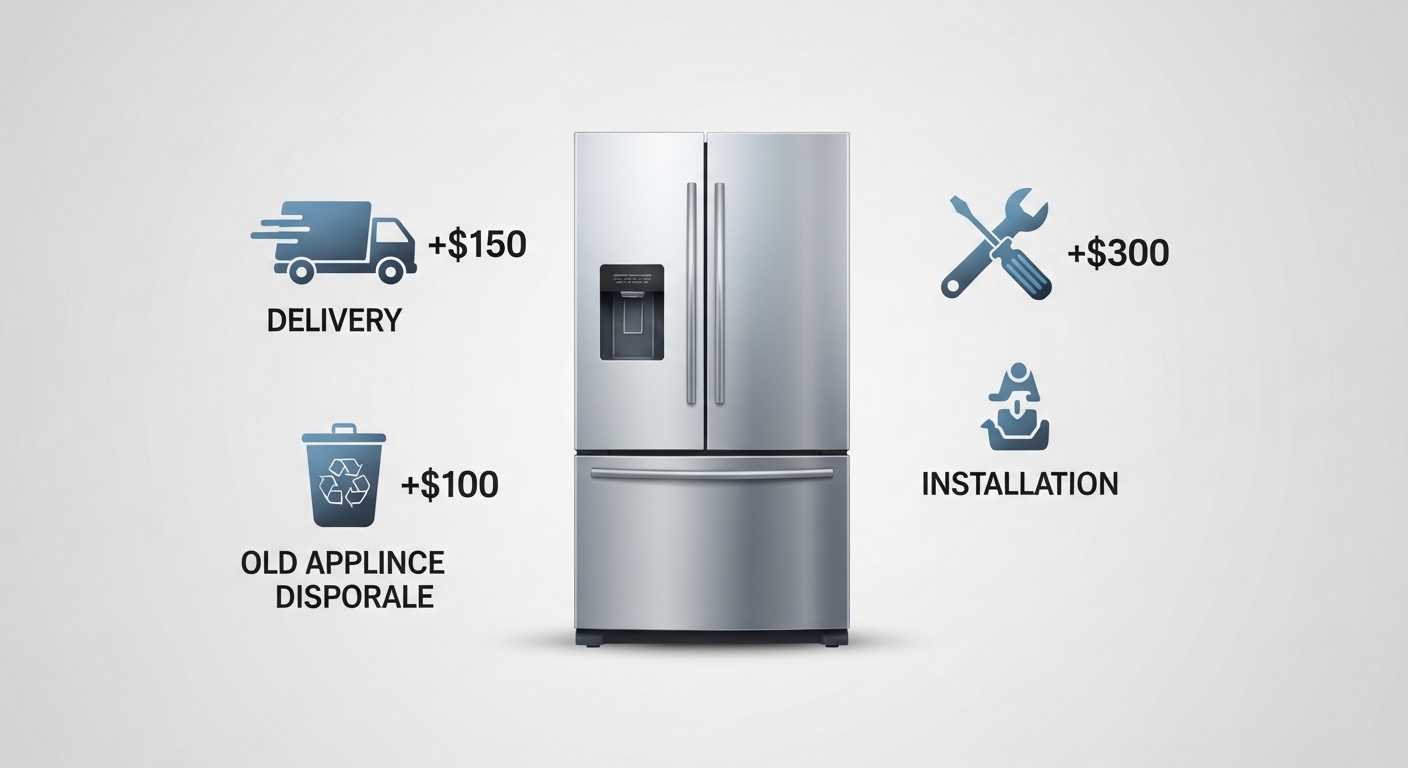
Delivery charges vary widely depending on your location and the retailer’s policies. Standard delivery typically runs $50-$100, but if you live in a condo building with challenging access or need weekend delivery, costs can jump to $150 or more. Some retailers advertise “free delivery” but build these costs into their appliance pricing, so you’re paying either way. For large appliances like refrigerators, you might need special delivery services that can navigate narrow doorways or elevators, adding another $50-$100 to your bill.
Installation fees catch many people off guard, especially when the “simple” hookup turns into a more complex job. Basic washing machine installation might cost $100-$150 if your existing connections work perfectly, but if you need new water lines, updated electrical outlets, or modifications to fit the new unit, costs can spiral to $300-$500 quickly. Dishwasher installation presents particular challenges in older Burnaby homes where cabinetry modifications might be needed to accommodate different dimensions.
Disposal fees for your old appliance often don’t show up until the delivery team arrives. While some retailers include haul-away in their pricing, others charge $75-$150 for this service. If you want environmentally responsible recycling rather than basic disposal, specialized services can cost even more. Some municipalities offer pickup services for large appliances, but scheduling and preparation requirements make this option less convenient than paying for removal at the time of delivery.
Don’t forget about the potential need for electrical or plumbing updates. Modern appliances sometimes require different electrical configurations than older models, especially if you’re upgrading from a basic unit to something with advanced features. An electrician’s service call to install a new outlet or update wiring can easily add $200-$400 to your project. Similarly, if new water line configurations are needed for a fancy refrigerator with advanced filtration, plumbing costs can add hundreds more.
Energy Efficiency: The Long-Term Cost Factor
Modern appliances deliver dramatically better energy efficiency than models manufactured just five to ten years ago, and in Burnaby’s expensive utility market, these differences translate into substantial savings over time. ENERGY STAR certified appliances can use 20-50% less energy than older models, depending on the appliance type and how old your current unit is.

Refrigerators show some of the most dramatic efficiency improvements. A refrigerator manufactured in 2015 might use 400-500 kWh annually, while a comparable modern unit uses just 300-350 kWh. At Burnaby’s average electricity rates, this 100-150 kWh difference saves $80-$120 annually. Over a ten-year period, you’re looking at $800-$1,200 in avoided electricity costs – money that helps offset the higher purchase price of a new appliance.
Washing machines and dishwashers offer efficiency improvements in both energy and water consumption. Modern front-loading washers use roughly half the water of older top-loading models while delivering superior cleaning performance. With water and sewer costs continuing to rise in Metro Vancouver, these savings add up quickly. A family doing eight loads of laundry weekly might save $100-$150 annually just on reduced water consumption, plus additional savings from the lower energy requirements for heating less water.