Ever been jolted awake by your fridge making sounds like it’s hosting a metal concert at 3 AM? That mysterious clunking from your washing machine during spin cycle might be trying to tell you something important about what’s happening under the hood. Picture this: you’re enjoying your morning coffee when suddenly your dishwasher starts making a sound that could only be described as a dying whale mixed with a freight train. As a Burnaby homeowner, I’ve been there more times than I care to admit. Whether you’re living in a cozy Brentwood condo or a family home in Deer Lake, appliance noises are universal – and they’re usually your first clue that something needs attention. The thing is, not every weird sound means you need to panic and call for emergency repairs. Sometimes that grinding noise is just telling you it’s time for some basic maintenance, while other times it’s screaming “help me before I break completely!” Learning to decode these appliance conversations can save you hundreds of dollars and prevent those inconvenient breakdowns that always seem to happen right before you’re hosting dinner.
Key Outtakes:
- Different appliance sounds indicate specific problems – from normal operational noises to serious mechanical failures requiring immediate attention
- Early noise diagnosis can prevent costly repairs and extend appliance lifespan, especially important for Burnaby’s mix of older homes and modern condos
- Refrigerators, washing machines, dishwashers, and dryers each have distinct sound signatures that reveal their internal condition
- Some noises require immediate professional intervention while others can be addressed with simple maintenance or adjustments
- Understanding your appliance’s normal sound patterns helps identify when something has changed and needs investigation
Understanding Your Appliance’s Language
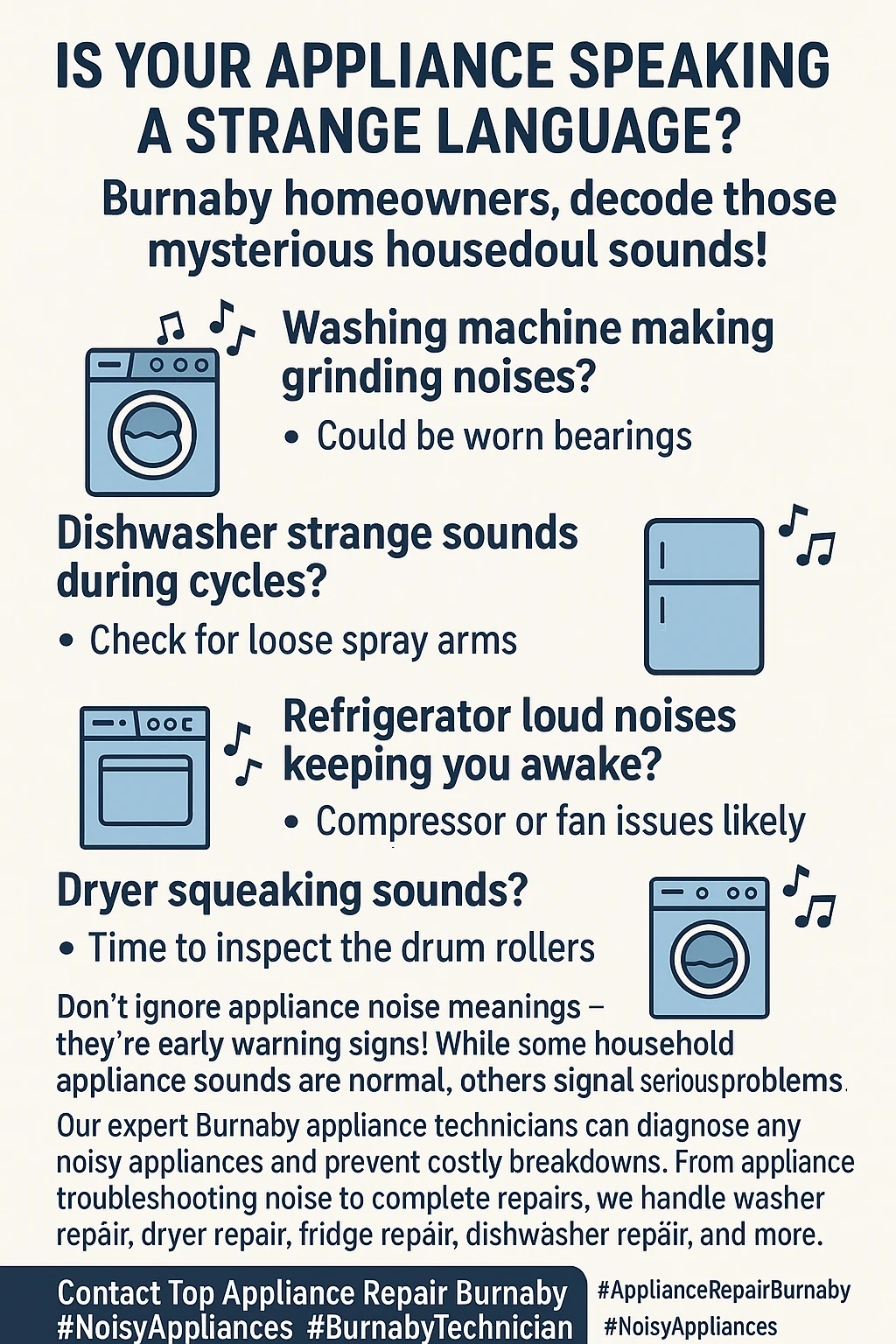
Every appliance in your home has its own unique way of communicating, and once you learn to speak their language, you’ll be amazed at how much they’re actually telling you. Think of appliance sounds like your pet’s behavior – you know when something’s off because you’re familiar with what’s normal. Most appliances make some level of noise during regular operation, and that’s completely expected. Your refrigerator hums quietly as the compressor kicks in, your dishwasher whooshes and gurgles during wash cycles, and your dryer tumbles rhythmically as it works. These are the happy sounds of appliances doing their jobs properly. The problem starts when these familiar sounds change pitch, get louder, or develop new characteristics. A refrigerator that suddenly starts making clicking sounds every few minutes might have a failing compressor relay. A washing machine that begins vibrating violently during the spin cycle could have an unbalanced load or worn suspension rods.
Refrigerator Noise Diagnosis
Moving from general appliance communication to specific examples, your refrigerator is probably the most vocal appliance in your kitchen, running almost constantly and providing a steady stream of audio feedback about its condition. Understanding what these sounds mean can help you catch problems before they turn into expensive repairs or spoiled food. A properly functioning refrigerator creates several normal sounds throughout its cycle. You’ll hear the compressor humming as it circulates refrigerant, the fan motors whirring to circulate air, and occasional clicking as the defrost timer switches between cycles. These sounds should be relatively quiet and consistent – if you notice them getting louder or more frequent, it’s time to investigate. Grinding or scraping noises often indicate issues with the evaporator or condenser fan motors. These fans are crucial for proper cooling, and when they start to fail, you’ll hear metal-on-metal contact or the sound of debris caught in the fan blades. This isn’t something you want to ignore, especially during Burnaby’s warmer months when your fridge works harder to maintain temperature. Clicking sounds that happen repeatedly in short intervals usually point to compressor problems. The compressor is trying to start but failing, which means your refrigerator isn’t cooling properly. If you’re hearing this pattern, check your food temperatures and consider it an emergency repair situation. Buzzing or vibrating sounds that seem to come from the back of the unit often indicate problems with the water inlet valve or ice maker components. 
Washing Machine Sound Patterns
After mastering refrigerator diagnostics, let’s tackle the washing machine – an appliance that can produce some truly dramatic sound effects when things go wrong. From gentle swishing during normal operation to sounds that make you wonder if there’s a small earthquake happening in your laundry room, washing machines are excellent at telegraphing their problems. Normal washing machine operation includes rhythmic agitation sounds during the wash cycle, water filling and draining noises, and a steady humming during the spin cycle. Front-loading machines tend to be quieter overall, while top-loaders naturally make more agitation noise. The key is recognizing when these normal sounds become abnormal. Loud banging during the spin cycle is one of the most common and alarming washing machine noises. This usually indicates an unbalanced load, but it can also signal worn suspension rods, shock absorbers, or drum bearings. If redistributing the clothes doesn’t solve the problem, you’re looking at a mechanical issue that needs professional attention. This is particularly common in Burnaby’s older homes where washing machines might be installed on less stable floors. Grinding or squealing sounds during operation often point to belt problems or bearing failures. These sounds typically start intermittently and gradually become constant. A failing drum bearing will create a grinding noise that gets worse over time and can eventually cause the drum to seize completely. Similarly, a worn drive belt will slip and squeal, eventually breaking and leaving you with a washer that won’t agitate or spin. 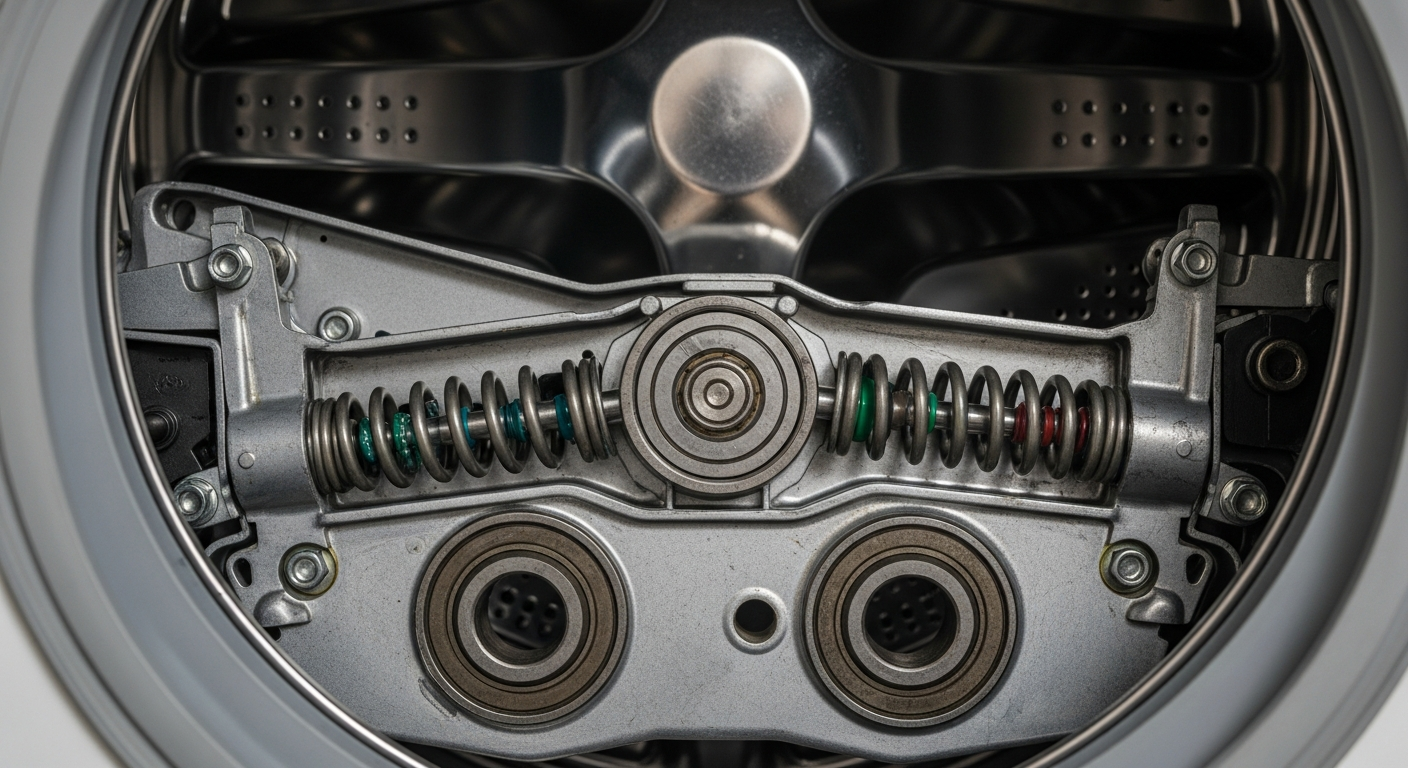
High-Pitched Sounds and Water Issues
High-pitched whining or whistling sounds during the fill cycle usually indicate problems with the water inlet valve or excessive water pressure. These sounds can also occur when inlet screens become clogged with sediment – something that’s particularly relevant in areas of Burnaby with older plumbing systems. Unusual gurgling or slow drainage sounds suggest blockages in the drain hose or pump filter. Many homeowners don’t realize that washing machines have filters that need periodic cleaning. When these become clogged with lint, coins, or small clothing items, you’ll hear the pump working harder and water draining more slowly than normal.
Dishwasher Diagnostic Sounds
Building on our appliance sound library, dishwashers present their own unique set of audio clues about their internal health. Unlike the more obvious problems you might see with other appliances, dishwasher issues often manifest as sound changes before you notice performance problems, making noise diagnosis particularly valuable. A healthy dishwasher produces predictable sounds throughout its cycle: water filling with a gentle rushing sound, wash arms rotating with a soft swishing noise, and the garbage disposal-like sound of the chopper assembly breaking down food particles. The pump motor creates a steady humming, and you’ll hear periodic clicking as the unit advances through different cycle stages. Grinding noises during operation usually indicate something is caught in the chopper assembly or wash arm. This could be anything from a small piece of glass or plastic to food debris that didn’t get properly pre-rinsed. Stop the cycle immediately and check for obstructions – continuing to run the dishwasher with something caught in the mechanism can cause serious damage to the motor assembly. Squealing or screeching sounds often point to problems with the wash pump motor or its seals. These bearings can wear out over time, especially if the dishwasher has been running with hard water that leaves mineral deposits throughout the system. This is particularly relevant for Burnaby homeowners, as the region’s water hardness can accelerate wear on dishwasher components.
Water-Related Sound Issues
Unusual water sounds can reveal hidden problems with your dishwasher’s hydraulic system. If you hear water continuously running even when the dishwasher should be in a pause between cycles, you likely have a faulty water inlet valve that’s not closing properly. This wastes water and can lead to overfilling problems. Gurgling sounds during drainage often indicate partial blockages in the drain hose or garbage disposal connection. Many Burnaby homes have dishwashers connected to garbage disposals, and food buildup in this connection point can create drainage restrictions that manifest as unusual sounds before you notice standing water in the bottom of the tub.
Dryer Noise Troubleshooting
Transitioning from wet cleaning appliances to the final step in your laundry process, dryers can develop some of the most concerning noises in your home – and for good reason, since many dryer problems relate to safety issues like fire hazards or gas leaks. Normal dryer operation includes the tumbling sound of clothes moving in the drum, the steady hum of the blower motor, and periodic clicking as thermostats and timers cycle on and off. Gas dryers add the soft whooshing sound of the burner igniting and the gentle roar of the flame during heating cycles. Squealing or screeching sounds usually indicate a worn drum belt or damaged drum rollers. The drum belt supports the weight of the drum and clothes, and when it starts to fray or stretch, you’ll hear it slipping on the pulleys. Drum rollers support the front and rear of the drum, and when their bearings wear out, they create a distinctive squealing sound that gets worse as the problem progresses. Thumping or banging noises can indicate several different problems. Sometimes it’s simply an unbalanced load with heavy items like shoes or thick blankets creating uneven tumbling. However, persistent thumping might indicate worn drum rollers, a damaged drum bearing, or even a cracked drum assembly. This is particularly important to address quickly, as a damaged drum can create sharp edges that tear clothes and create safety hazards.
Airflow and Safety-Related Sounds
Changes in airflow sounds can indicate serious safety issues with your dryer. If the normal whooshing sound of air moving through the system becomes muffled or you hear the blower motor working harder than usual, you might have lint buildup in the exhaust system. This is one of the leading causes of dryer fires and needs immediate attention. Rattling or vibrating sounds from the back of the unit often indicate problems with the exhaust ductwork. Loose connections, damaged duct sections, or accumulated lint can cause these sounds. For Burnaby homes with long dryer vent runs or complex routing through multiple floors, these issues are particularly common and need professional assessment.
When Professional Help Is Needed
After learning to identify various appliance sounds, it’s crucial to understand when your diagnostic skills have reached their limit and professional intervention becomes necessary. Some sounds indicate problems that require specialized tools, replacement parts, or safety expertise that goes beyond typical homeowner capabilities. Electrical sounds like sparking, crackling, or buzzing should always trigger an immediate call to professional repair services. These sounds often indicate failing electrical components, loose connections, or insulation breakdown that can create fire hazards or electrocution risks. Never attempt to diagnose electrical issues yourself, especially with 240-volt appliances like dryers and electric ranges. Gas appliance sounds require special attention and professional expertise. Any unusual sounds from gas dryers, ranges, or water heaters – particularly hissing, roaring, or popping sounds that seem different from normal operation – should be evaluated by gas-certified technicians. Gas leaks and combustion problems are serious safety issues that require immediate professional attention. Compressor-related sounds in refrigerators and freezers typically need professional diagnosis and repair. While you might hear the problem clearly, compressor issues involve refrigerant systems that require EPA certification to service. Similarly, sealed system problems in dishwashers and washing machines often need specialized diagnostic equipment to properly evaluate and repair.
Frequently Asked Questions
What’s the difference between normal appliance sounds and problem sounds?
Normal appliance sounds are consistent, predictable, and occur at expected times during operation cycles. Problem sounds are typically louder than usual, happen at unexpected times, or represent new noises that weren’t present before. For example, a refrigerator compressor normally hums quietly for several minutes every hour, but if it starts clicking rapidly without running, that indicates a problem. The key is learning your appliances’ normal sound patterns so you can recognize changes. Most problem sounds also tend to get progressively worse over time rather than staying constant.
Can I fix appliance noise problems myself?
Some noise issues can be resolved with basic maintenance like cleaning lint filters, removing obstructions, or redistributing unbalanced loads. However, mechanical problems involving belts, bearings, or motors typically require professional repair. Never attempt repairs involving electrical components, gas systems, or refrigerant lines. Simple maintenance tasks like cleaning condenser coils, checking for loose items in drum assemblies, or clearing drain hoses are generally safe for homeowners. When in doubt, consult with a professional repair service rather than risk injury or further damage.
Why do my appliances seem louder in my Burnaby condo than they were in my previous home?
Condo living often amplifies appliance sounds due to shared walls, different flooring materials, and compact spaces that reflect sound differently. Many Burnaby condos also have appliances installed in smaller spaces with less surrounding insulation, making normal operational sounds seem louder. Additionally, newer appliances in older buildings or older appliances in newer buildings can create acoustic mismatches. If noise is a concern, consider appliance placement, vibration dampening pads, and ensuring proper installation clearances.
How urgent are different types of appliance noises?
Electrical sounds, gas-related issues, and any sounds accompanied by burning smells require immediate attention and appliance shutdown. Mechanical grinding, metal-on-metal contact, or sounds that indicate moving parts are failing should be addressed within a few days to prevent further damage. Sounds that seem related to unbalanced loads, clogged filters, or minor obstructions can usually wait for your next convenient service appointment, but shouldn’t be ignored completely. When in doubt, err on the side of caution and seek professional advice.
Wrapping Up
Learning to decode your appliances’ language isn’t just about being a savvy homeowner – it’s about protecting your investment and ensuring your family’s safety and comfort. Those mysterious sounds aren’t so mysterious once you understand what they’re trying to tell you, and early detection can mean the difference between a simple repair and a complete appliance replacement. Whether you’re dealing with a chatty refrigerator in Metrotown or a dramatic washing machine in Buckingham Heights, knowing when to troubleshoot yourself and when to call in the experts will save you time, money, and stress. At Top Appliance Repair Burnaby, we’re here to help when those diagnostic skills reach their limit, providing professional appliance repair services throughout Burnaby with the expertise to restore peace and quiet to your home. 