Hidden Appliance Fire Hazards Burnaby Homeowners Miss
Ever catch a whiff of something burning and immediately panic-check your stove, only to find everything looks normal? The scary truth is that some of the most dangerous fire hazards in your Burnaby home are hiding in plain sight, silently building up until they reach that critical tipping point where everything changes in an instant.
Picture this: you’re making Sunday breakfast for the family when your electric range suddenly starts heating up without anyone even touching the controls. This exact nightmare scenario led to over 250 fires and forced the recall of more than 1.1 million electric ranges in 2024 alone. As someone who’s spent years helping Greater Vancouver families navigate home safety challenges, I can tell you that appliance fires aren’t rare occurrences – they’re happening constantly, and the statistics are genuinely scary.
The reality is that major appliances cause more than 150,000 residential fires each year across North America, resulting in 3,670 injuries, 150 deaths, and $547 million in property damage. But here’s what really gets me fired up about this issue: most of these dangerous situations are completely preventable if homeowners just knew how to spot the warning signs and take swift action when safety issues are identified.
Key Outtakes:
- Major appliances cause over 150,000 residential fires annually, resulting in 150 deaths and $547 million in property damage
- Cooking appliances are the leading cause of home fires, accounting for nearly 49% of all reported home fires
- Dryer fires occur approximately 13,820 times per year, with 27% caused by lint accumulation
- Regular maintenance and proper appliance use can prevent up to 35,297 appliance-related fires annually
- Unattended cooking is the number one cause of home fires according to fire safety data
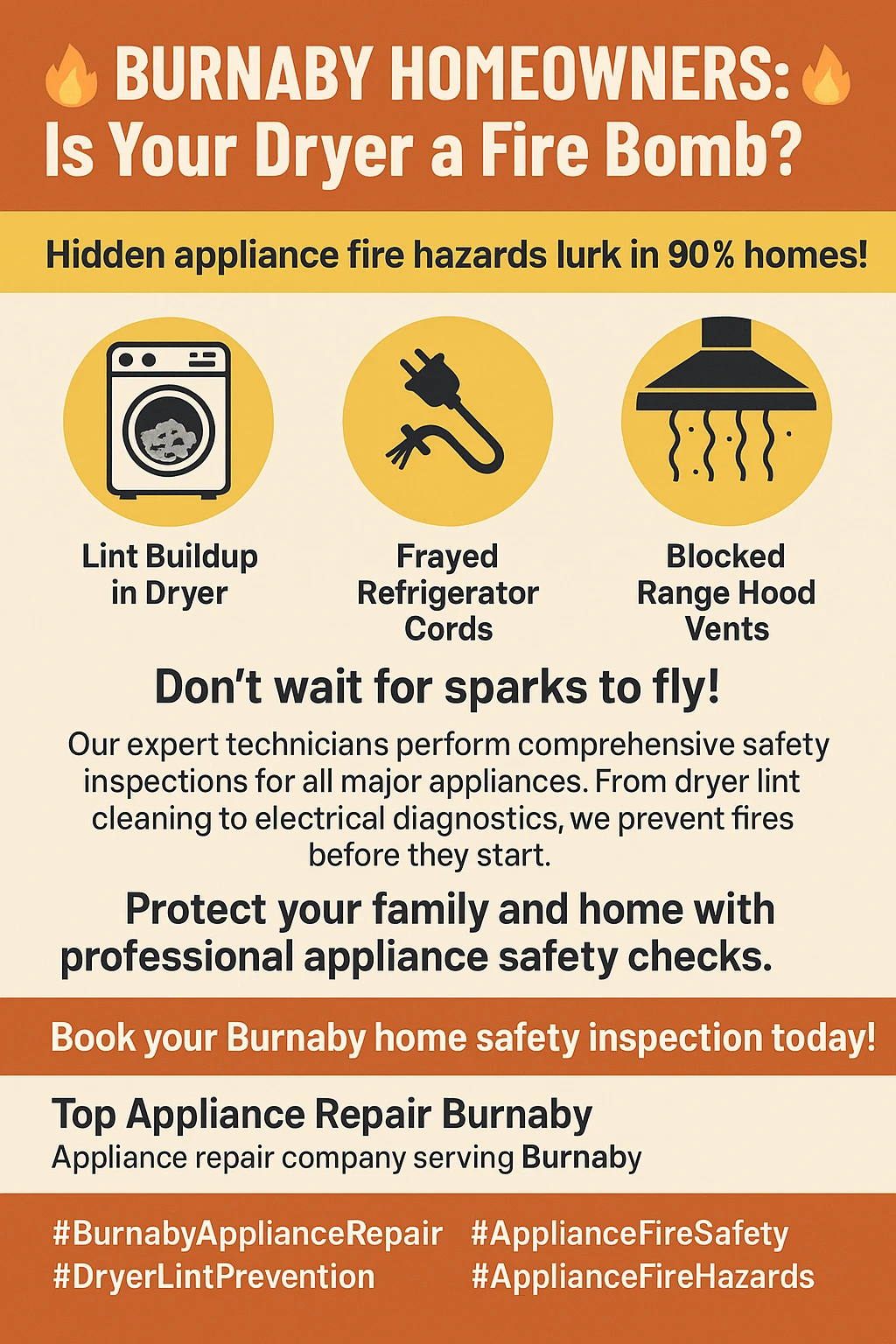
Kitchen Appliance Fire Hazards: The Heart of Home Fire Risk
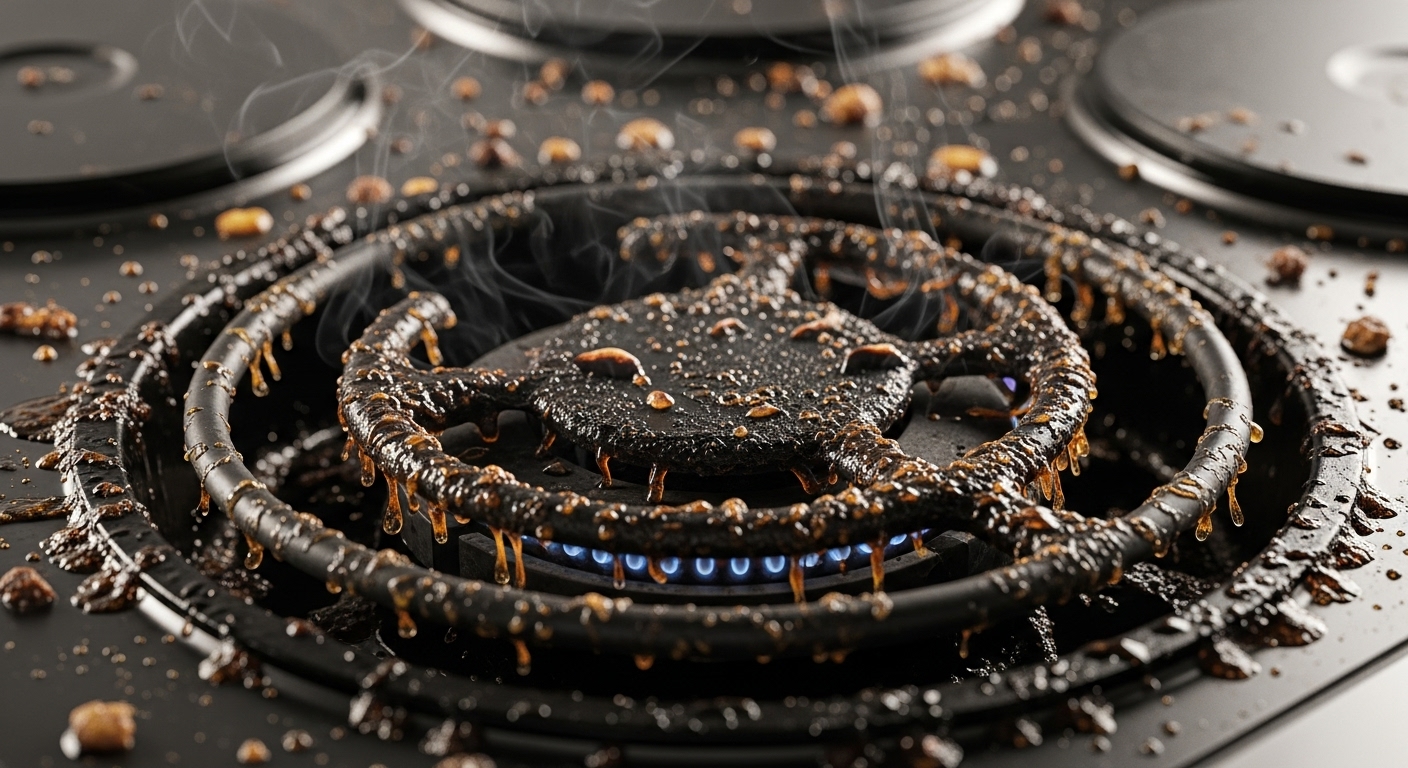
Let’s start with the room that poses the biggest fire threat in your Burnaby home – the kitchen. This space that brings families together for meals and memories is also where the most devastating fires begin. Understanding why kitchens are so dangerous helps you recognize the specific risks that could turn your favorite room into a disaster zone.
With cooking as the most common cause of house fires, ranges and stoves are at the top of the list for fire-starting appliances. These workhorses of the kitchen combine high heat, grease, and often distracted operators into a perfect storm for fire ignition. Grease buildup on stovetops and in range hoods creates an accelerant that can turn a small flame into a raging inferno in seconds.
Unattended cooking represents the single biggest risk factor for kitchen fires. According to fire safety data, unattended cooking caused nearly 31 percent of all home fires and 53 percent of cooking fire-related deaths between 2014-2018. This means that quick trip to grab something from another room or answer the phone could literally cost you everything. Electric ranges pose particular challenges because heating elements stay hot long after being turned off, creating ongoing ignition risks that catch homeowners off guard.
Small kitchen appliances create surprisingly big problems when it comes to fire safety. Air fryers and other compact cooking devices caused significant fire incidents, with reports showing these trendy appliances sparked numerous house fires due to overheating and improper use. Toasters and toaster ovens become fire hazards when crumb accumulation near heating elements creates perfect conditions for ignition. The confined space of these appliances means fires can develop quickly and spread to surrounding materials before anyone realizes what’s happening.
Microwave fires present unique challenges because they occur inside enclosed spaces where oxygen levels can intensify combustion. Overheating food items, especially those with high fat content, can ignite and continue burning even after the microwave stops running. Metal objects accidentally placed inside microwaves create arcing that can spark fires faster than you can open the door.
Dryer Fire Safety: The Laundry Room’s Hidden Menace
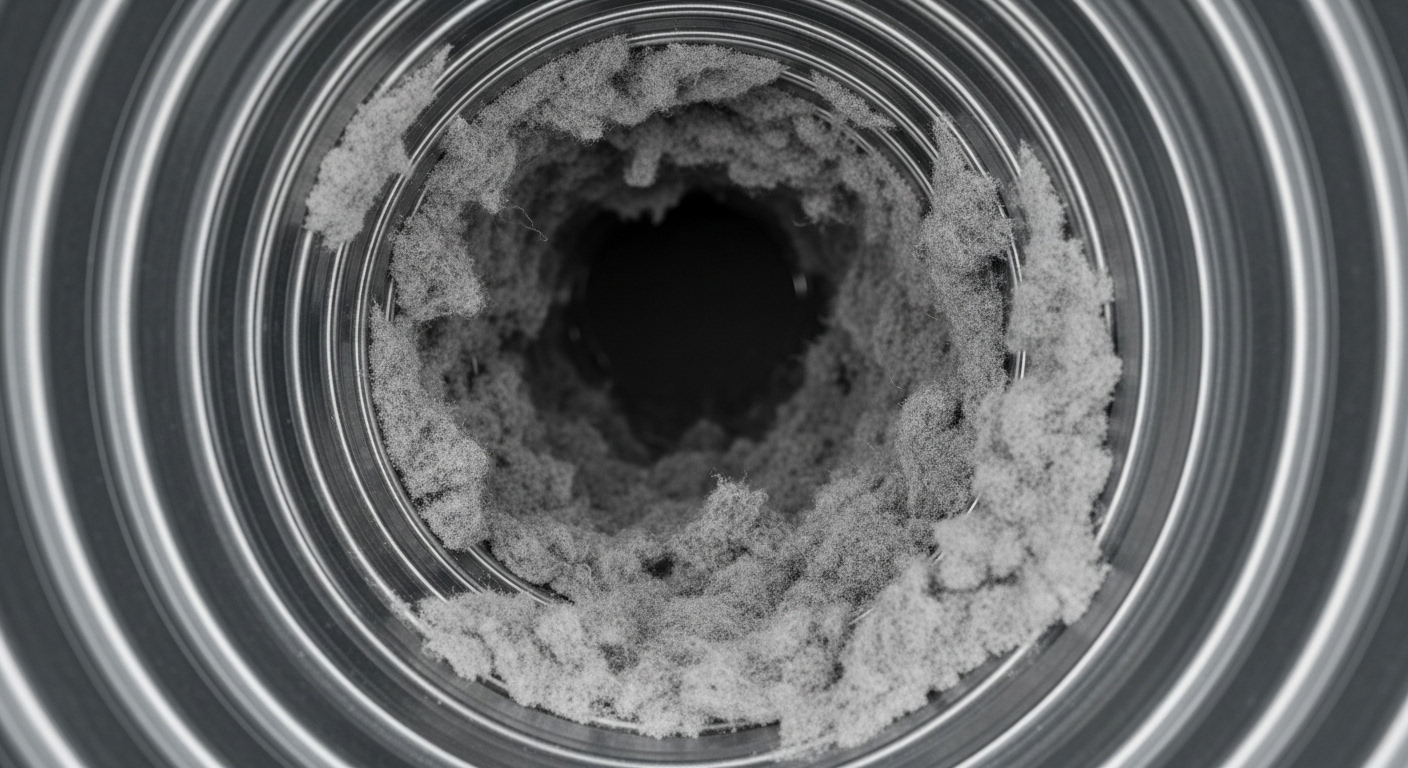
Moving from the kitchen to another critical area, we need to talk about the appliance that’s probably causing fires in Burnaby homes more than any other single device – your clothes dryer. This seemingly innocent machine sitting in your laundry room is actually one of the most dangerous fire hazards in your entire house, and most homeowners have no idea how close they are to disaster every time they start a load. Whether you’re in Metrotown, Brentwood, or Central Park neighborhoods, dryer fires pose the same serious risks to every household.
Every year, firefighters across the country respond to around 13,820 home fires caused by clothes dryers, with the leading cause being something most people completely ignore – lint accumulation. Here’s the terrifying truth: 34% of people regularly fail to clean their dryers properly, making lint buildup the number one cause of dryer fires. That fluffy stuff you pull out of the lint trap is basically tinder waiting for a spark, and when it accumulates in areas you can’t see, it creates a fire hazard that’s constantly growing more dangerous.
The problem goes way beyond just cleaning the lint trap after each load. Lint accumulates throughout the entire ventilation system, from the exhaust vent to the ductwork that carries hot air outside your home. Metal vents are strongly recommended over plastic or foil accordion-type ducts which can sag, allowing lint to build up at low points where it becomes nearly impossible to remove. Professional cleaning services use specialized equipment to remove lint from areas homeowners can’t reach, which is why annual professional cleaning is essential for fire prevention.
Installation factors play a crucial role in dryer fire safety that many Burnaby homeowners overlook. Proper clearance space around your dryer isn’t just about convenience – it’s about allowing adequate airflow to prevent overheating conditions that can ignite lint deposits. Local building codes require specific installation standards for dryer venting, but many older homes in Burnaby don’t meet current safety requirements. Retrofitting proper venting systems can prevent fires and improve dryer efficiency simultaneously.
Electrical Appliance Fire Risks: When Power Becomes Perilous
Beyond specific appliance types, we need to address the underlying electrical dangers that turn everyday household devices into potential fire starters. Electrical issues represent the hidden foundation of most appliance fires, creating conditions where even well-maintained appliances can become deadly hazards without warning signs most homeowners would recognize. From the high-rise condos in Metrotown to the family homes in Deer Lake, electrical appliance risks affect every type of dwelling in our city.
Most electrical fires are caused by faulty electrical outlets and old, outdated appliances that have degraded beyond safe operating conditions. Aging appliances develop electrical hazards through normal wear and tear that gradually compromises safety systems built into the original design. Frayed cords, damaged plugs, and internal wiring deterioration create resistance points where electricity generates dangerous heat levels. The insidious nature of electrical degradation means appliances can operate normally for months while developing fire conditions that will eventually reach critical failure points.
Circuit overloading presents another major electrical fire risk that’s becoming more common as homes fill up with power-hungry devices. When multiple high-wattage appliances share the same circuit, the electrical demand can exceed what the wiring system was designed to handle safely. This creates heat buildup in walls and electrical panels that can ignite surrounding materials. Extension cord misuse compounds these problems, especially when people daisy-chain multiple cords together or use indoor-rated cords for outdoor appliances.
Ground Fault Circuit Interrupter (GFCI) failures create particularly dangerous electrical conditions in areas where water and electricity might interact. Kitchen and bathroom appliances rely on GFCI protection to prevent electrocution and electrical fires, but when these safety devices fail or aren’t properly maintained, the risk of electrical incidents increases dramatically. Regular testing of GFCI outlets should be part of every homeowner’s monthly safety routine, yet most people never check these critical safety components.
Warning Signs Every Burnaby Homeowner Must Recognize
Learning to spot the early warning signs of potential appliance fire hazards has literally saved lives in my experience, and it starts with understanding what normal appliance operation should look like versus what screams “danger ahead.” The transition from recognizing electrical risks to identifying specific warning signs is crucial because most homeowners walk past critical indicators every single day without realizing their appliances are basically sending out SOS signals. Whether you’re living in the Brentwood area or closer to Deer Lake, these warning signs are universal and demand immediate attention.
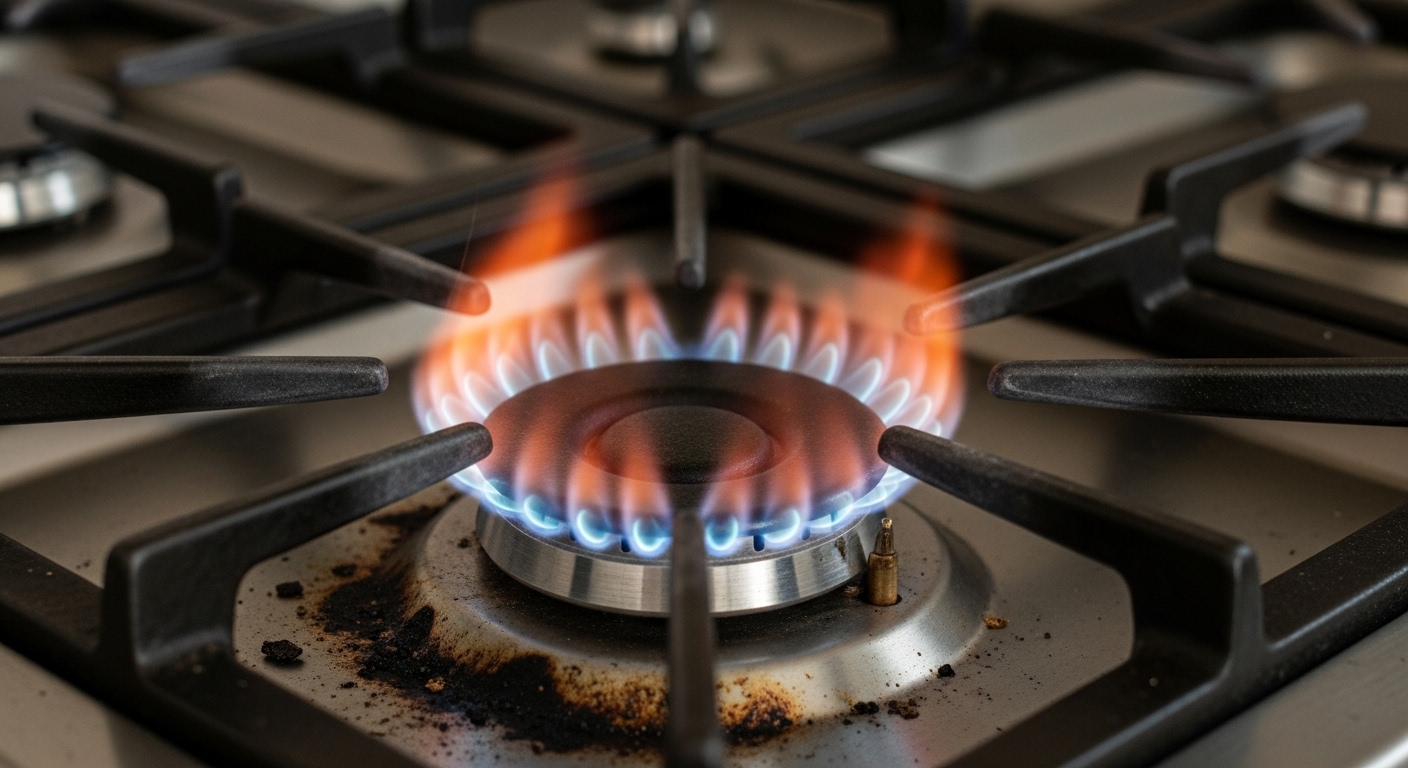
The most obvious visual indicator that something’s wrong is flame color, and this is where I see people make dangerous assumptions all the time. Your gas appliances should produce crisp, blue flames when they’re operating properly. If you’re seeing yellow or orange flames instead, that’s your appliance telling you it’s not getting enough air for complete combustion, which means carbon monoxide is almost certainly being produced. I’ve seen too many people dismiss this as “normal” or think it just means their appliance is getting older, but abnormal flames are never something to ignore.
Heavy condensation on windows in rooms with gas appliances is another red flag that most people miss completely. When appliances aren’t venting properly, you’ll start seeing excessive moisture on windows and walls near those units. This isn’t just about humidity – it’s often the first sign that combustion gases aren’t going where they’re supposed to go. If you’re noticing this pattern, especially in winter when your heating system is working harder, it’s time to investigate immediately.
Soot or staining around appliances is like finding smoke after a fire – it’s visual proof that combustion problems are happening. This black or dark residue doesn’t just appear randomly; it forms when fuel isn’t burning cleanly, and where there’s incomplete combustion, there’s carbon monoxide production. I always tell homeowners to think of soot as appliance acne – it’s showing you that something unhealthy is going on inside. On the auditory side, hissing sounds near gas lines or appliances indicate potential leaks that require immediate attention.
Frequently Asked Questions
What should I do if I smell gas near my appliances?
If you detect the distinctive “rotten egg” smell of natural gas near your appliances, this indicates a potentially serious emergency that requires immediate action. Don’t light matches, don’t flip electrical switches, and definitely don’t try to “find” the leak yourself with flames. Leave the area immediately, avoid using electrical devices, and call your gas company’s emergency line from a safe location away from your home.
How often should I clean my dryer vents to prevent fires?
You should clean your lint trap after every single load, but comprehensive dryer vent cleaning should happen annually by a professional service. However, if you notice your clothes taking longer to dry, the outside of your dryer getting unusually hot, or lint accumulating around the outside vent, you need immediate professional cleaning regardless of when it was last done. These are warning signs that dangerous lint buildup is already occurring in areas you can’t reach.
Are there specific appliance fire risks during Burnaby’s winter months?
Winter creates heightened appliance fire risks in several ways that Burnaby homeowners need to understand. Increased indoor cooking strains kitchen appliances beyond normal limits, while heavy laundry loads during rainy seasons produce more lint and require longer drying times. Snow and ice can block appliance vents, forcing combustion gases back into your home and creating dangerous carbon monoxide conditions that require immediate professional attention.
Wrapping Up
Understanding and preventing appliance fire hazards isn’t just about protecting your property – it’s about keeping your family safe from dangers that claim lives every single day across North America. From recognizing the warning signs of electrical degradation to maintaining proper dryer ventilation, these preventive measures can literally mean the difference between a safe home and a devastating tragedy. The good news is that most appliance fires are completely preventable when you know what to look for and take action before small problems become life-threatening emergencies.
If you’re experiencing any of the warning signs we’ve discussed or simply want professional peace of mind about your appliance safety, Top Appliance Repair Burnaby provides comprehensive safety inspections and maintenance services throughout Metrotown, Brentwood, Central Park, and surrounding neighborhoods. Our experienced technicians can identify potential fire hazards before they become emergencies, ensuring your family’s safety while extending the life of your appliances through proper maintenance and care.