
Worried about your appliances surviving Vancouver’s unpredictable winter weather without breaking down on you? Don’t panic – we’ve got the complete guide to winterizing your home’s hardest-working helpers so they keep running smoothly through the coldest months!
Picture this: it’s January in Vancouver, the temperature has been bouncing between freezing rain and actual snow, and suddenly your washing machine decides to give up the ghost right when you desperately need to wash everyone’s muddy winter gear. Trust me, I learned this lesson the hard way last winter when my dishwasher’s water lines froze during that surprise cold snap we had in February. One day it was working perfectly fine, the next morning I had a kitchen disaster that could have been totally prevented with some basic winter prep. 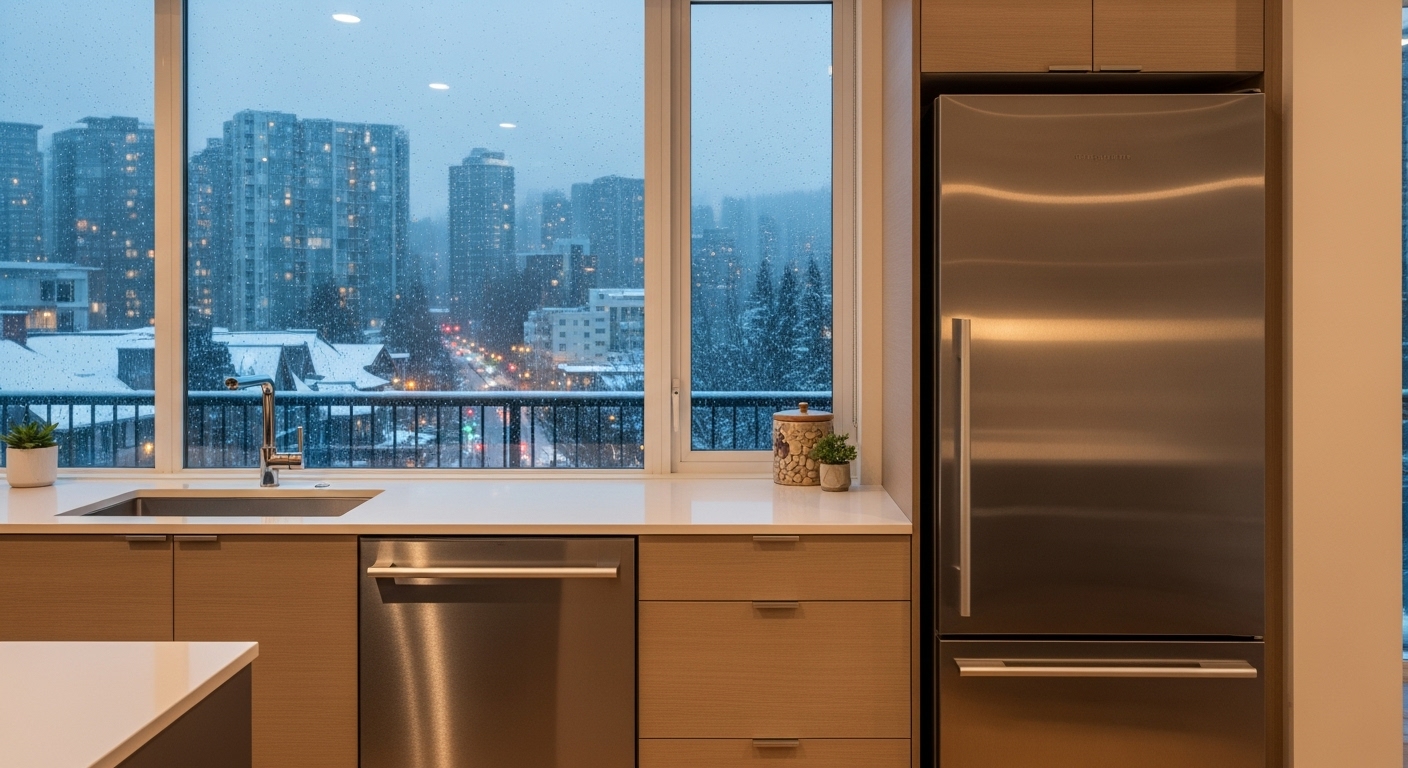
The thing about Vancouver winters is they’re sneakier than people think – we might not deal with the brutal -30°C temperatures that Toronto gets, but our constantly changing weather patterns actually create unique challenges for home appliances. What makes Vancouver winters particularly tough on appliances is the combination of high humidity, frequent freeze-thaw cycles, and those sudden temperature drops that catch everyone off guard. Your appliances are designed to handle consistent conditions, but when the weather keeps flip-flopping between mild and freezing, it puts serious stress on all those mechanical and electrical components.
Key Outtakes:
- Vancouver’s fluctuating winter temperatures and high humidity create unique appliance stress that requires specific protection strategies
- Simple preventive maintenance tasks performed before winter hits can prevent costly emergency repairs during the coldest months
- Different appliances face different winter challenges – from frozen water lines to overworked heating elements
- Professional maintenance checks can identify potential problems before they become expensive headaches
- Proper winter preparation extends appliance lifespan and improves energy efficiency throughout the season
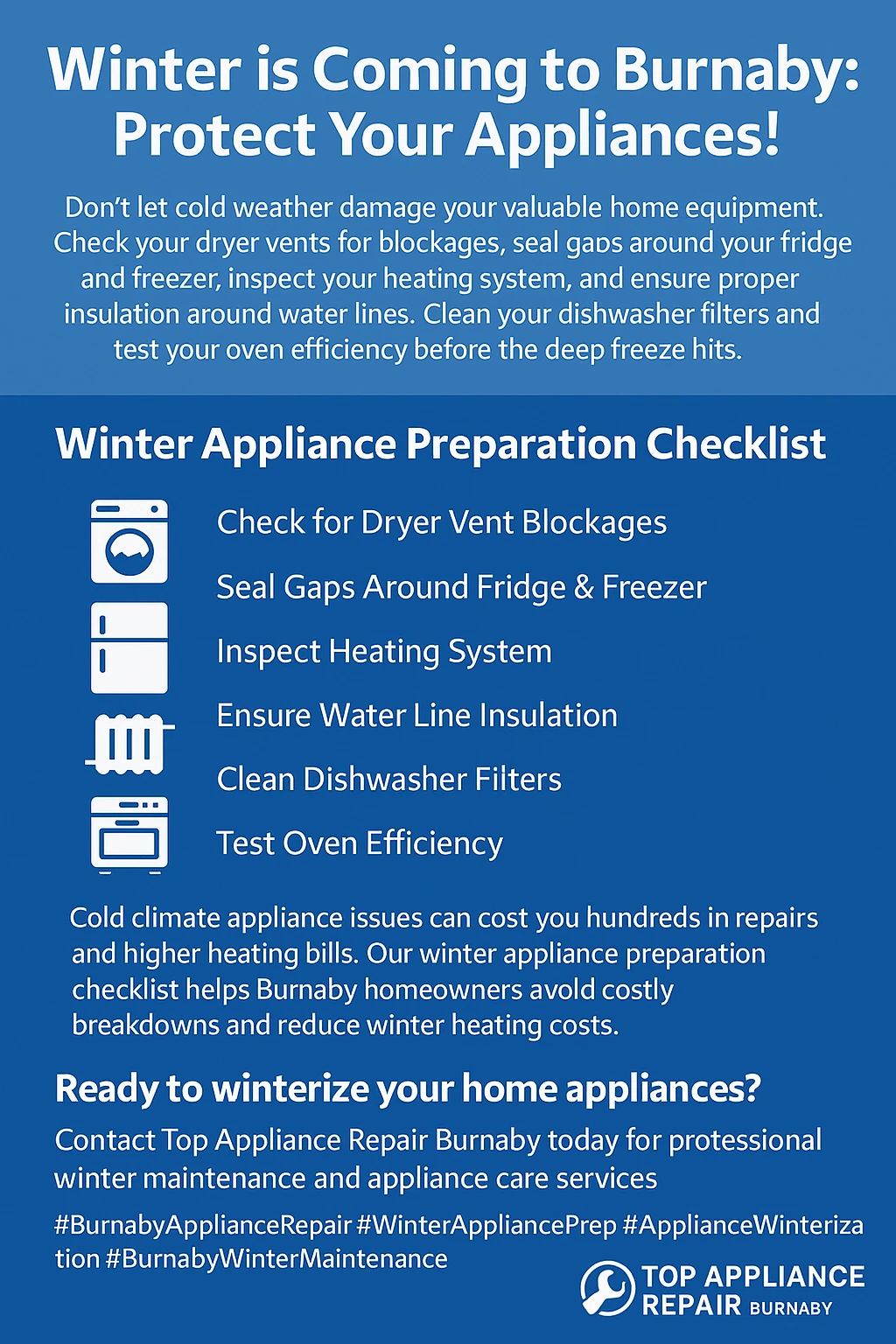
Understanding Vancouver’s Unique Winter Challenges for Appliances
Vancouver’s climate presents a perfect storm of conditions that can havoc on your home appliances if you’re not prepared. While we don’t face the extreme cold that other Canadian cities deal with, our combination of moisture, temperature fluctuations, and unpredictable weather patterns creates its own set of problems that many homeowners underestimate. The biggest issue is how our “mild” winters lull people into a false sense of security – just because we’re not dealing with snow blowers and block heaters doesn’t mean our appliances get an easy ride.
The real challenge comes from Vancouver’s notorious freeze-thaw cycles that can happen multiple times throughout the winter. One week you’re enjoying 8°C temperatures and light rain, the next week you’re scraping ice off your car and dealing with frozen pipes. This constant temperature swing puts enormous stress on appliance components, causing seals to expand and contract, water lines to freeze and thaw repeatedly, and heating elements to work overtime trying to compensate for the changing conditions.
Humidity is another major factor that people don’t think about when it comes to appliance care. Vancouver’s winter air is loaded with moisture, which can cause condensation problems inside appliances, lead to rust and corrosion on metal components, and create ideal conditions for mold and mildew growth in washers and dishwashers. When you combine high humidity with temperature fluctuations, you get condensation forming in places it shouldn’t be, potentially causing electrical problems and water damage that can put appliances out of commission permanently. The moisture issue becomes even more problematic when you consider that we’re running our heating systems more during winter, which creates additional humidity from cooking, showering, and just general indoor living.
Preparing Your Kitchen Appliances for Winter
Moving from understanding the challenges to taking action, your kitchen appliances face some of the biggest winter-related stresses in your entire home, yet they’re often the most overlooked when it comes to seasonal maintenance. 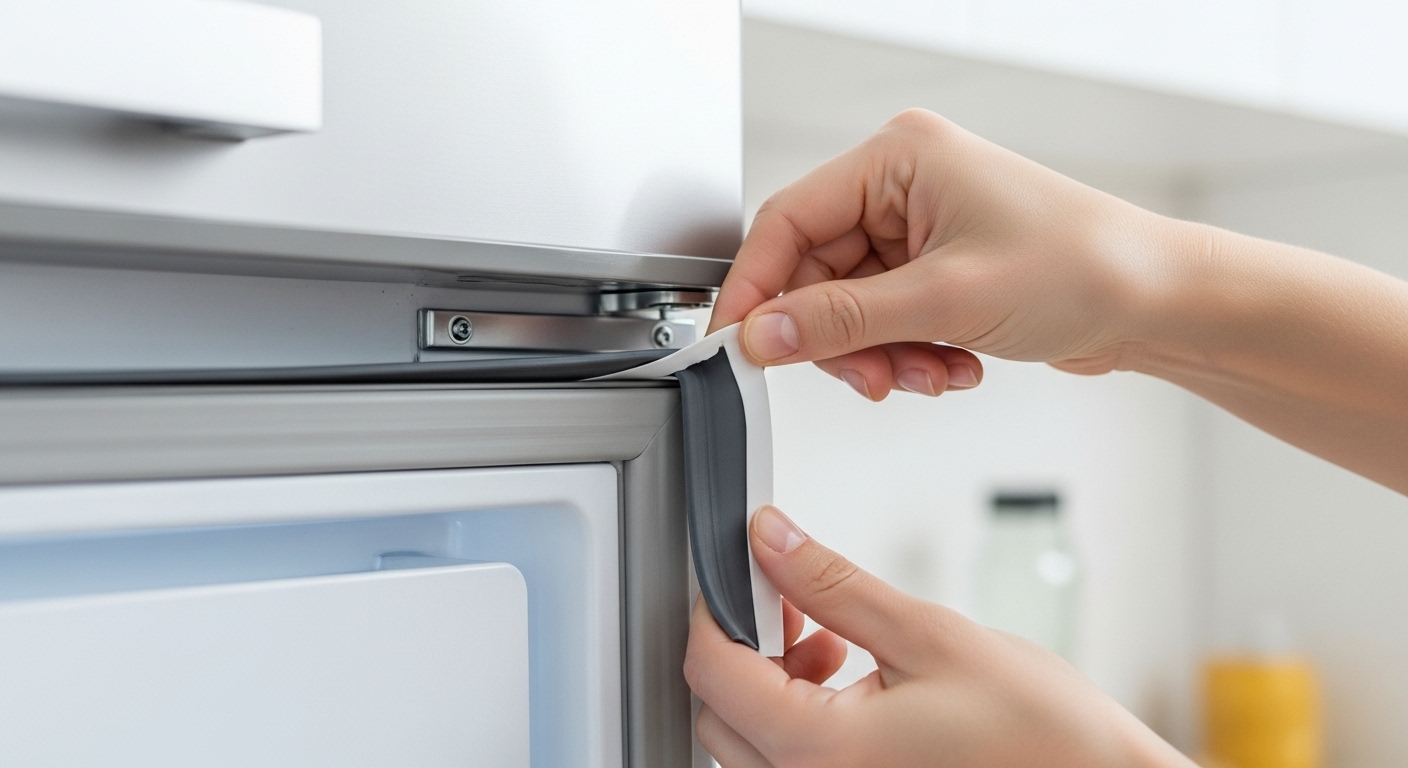 Between increased holiday cooking, colder water temperatures, and the general strain of winter weather, your kitchen workhorses need some extra TLC to make it through the season without breaking down. The combination of heavy usage and environmental stress creates perfect conditions for appliance failures right when you need them most during the holiday season.
Your refrigerator and freezer are particularly vulnerable during Vancouver winters because they’re constantly fighting against temperature and humidity fluctuations. When the ambient temperature in your home keeps changing due to heating system cycles and outdoor weather variations, your fridge has to work much harder to maintain consistent internal temperatures. The compressor runs more frequently, the door seals get stressed from temperature differentials, and condensation can build up in places it shouldn’t be, potentially leading to water damage or electrical problems.
Start by checking those door seals – they’re your first line of defense against energy waste and potential breakdowns. Vancouver’s winter weather makes rubber seals contract and become less flexible, which can create gaps that let cold air escape and warm, humid air enter. Test each seal by closing the door on a piece of paper; if you can pull the paper out easily, the seal needs attention or replacement. This simple check can prevent your compressor from overworking and potentially burning out during the demanding winter months. Don’t forget about the coils on the back or underneath your refrigerator – these need extra attention during winter when your heating system is circulating more dust and debris throughout the house.
Temperature settings become crucial during winter months when your appliances are already working harder than usual. Resist the temptation to adjust your refrigerator settings when the weather gets cold – your fridge should stay between 35-38°F (2-3°C), and your freezer should remain at 0°F (-18°C). These settings ensure food safety while not overworking your appliance during the already demanding winter season. If you notice your refrigerator running constantly or not maintaining proper temperatures, it might be time to call in a professional before a minor issue becomes a major breakdown.
Protecting Your Dishwasher from Winter Problems
Your dishwasher faces its own unique set of winter challenges that most Vancouver homeowners completely ignore until something goes wrong. The combination of colder water temperatures, increased usage during holiday season, and potential freezing issues with water supply lines creates a perfect recipe for breakdowns right when you need your dishwasher most. Winter water temperatures can drop significantly, and your dishwasher wasn’t designed to efficiently handle ice-cold water coming into the system.
The biggest issue is that when water enters your dishwasher at temperatures below 120°F (49°C), the internal heating elements have to work overtime to bring it up to the proper cleaning temperature. This puts extra strain on expensive components and can significantly extend wash cycles, making your dishwasher less efficient and more prone to breakdowns. It’s especially problematic in Vancouver where ground temperatures stay relatively cold throughout winter, affecting the temperature of water coming into your home through underground pipes.
Before running your dishwasher during winter months, always run your kitchen faucet until the water gets hot – this ensures your dishwasher starts with water that’s already at optimal temperature, reducing the workload on internal heating elements and improving cleaning performance. It’s a simple habit that takes maybe thirty seconds but can prevent premature wear on components that cost hundreds of dollars to replace. Many people skip this step because they’re in a hurry, but trust me, it’s worth the extra time when you consider the alternative of dealing with a broken dishwasher during a dinner party.
Water line protection becomes critical if your dishwasher connects to supply lines that run through unheated spaces like crawl spaces, basements, or along exterior walls. Even Vancouver’s relatively mild winter temperatures can cause these lines to freeze if they’re exposed to drafts or uninsulated areas. Check all connections before winter hits, look for any signs of wear, corrosion, or loose fittings that cold weather could make worse, and consider adding insulation around any exposed pipes. Filter maintenance becomes even more important during winter when you’re likely doing more cooking and entertaining, which means more food particles and grease going down the drain.
Winterizing Your Laundry Room Equipment

Building on the kitchen appliance preparation, your laundry room faces some of the most significant winter challenges in your entire house, yet it’s often the area that gets the least attention when it comes to seasonal maintenance. Between handling heavier winter loads, dealing with moisture issues, and potentially being located in unheated spaces, your washer and dryer are working harder than ever just when they’re most vulnerable to weather-related problems.
Your washing machine deals with a double challenge during Vancouver winters – not only is the incoming water colder, making it harder for detergents to activate properly, but you’re also asking it to handle much heavier loads with winter coats, sweaters, and blankets that retain more water and put additional strain on the motor and suspension system. Cold water creates problems with detergent effectiveness, meaning your clothes might not get as clean, and you might be tempted to rewash items, putting even more stress on your machine.
Water line connections deserve special attention, especially if your washer is located in a basement, garage, or utility room that doesn’t get consistent heating. Even Vancouver’s mild winter temperatures can cause problems if these connections are exposed to drafts or temperature fluctuations. Check all supply lines for signs of wear, replace any that look cracked or corroded, and make sure shutoff valves are working properly. If your laundry room gets particularly cold, consider leaving cabinet doors open to allow warm air to circulate around the water connections, or add a small space heater to maintain consistent temperatures.
Your dryer faces its own set of winter challenges, primarily related to moisture management and venting issues. The combination of heavily saturated winter clothes and Vancouver’s humid air means your dryer is working much harder to remove moisture, while cold outside temperatures can affect the efficiency of your exterior vent. When the temperature differential between inside and outside air increases, condensation can form in your dryer vent, reducing airflow and potentially causing moisture to back up into your home. Vent maintenance becomes absolutely critical during winter months – clean your lint screen after every single load, and have your exterior vent inspected and cleaned at least once during the season.
Special Considerations for Burnaby Neighborhoods
Different areas of Burnaby face unique winter challenges that require tailored appliance preparation strategies. Homes in higher elevation neighborhoods like Capitol Hill and Burnaby Mountain experience more dramatic temperature swings and are more susceptible to power fluctuations during winter storms. If you live in one of these areas, consider investing in surge protectors for your major appliances and keep emergency supplies on hand in case winter storms cause extended power outages.
Lower-lying neighborhoods near the Fraser River, including areas of South Burnaby, deal with higher humidity levels that can accelerate mold and mildew problems in appliances. If your home is in one of these moisture-prone areas, pay extra attention to cleaning and maintaining your washing machine’s door seals and running regular cleaning cycles to prevent odor and hygiene issues. The proximity to water means these areas also see more dramatic temperature variations that can stress appliance components through constant expansion and contraction cycles.
Older neighborhoods in Central Burnaby often have homes with aging electrical systems that may struggle with the increased demand from appliances working harder during winter months. If you live in an older home, have your electrical panel inspected before winter to ensure it can handle the additional load, and consider upgrading outlets near major appliances to include GFCI protection for safety. Professional contractors in the area understand these neighborhood-specific challenges and can provide targeted solutions that address local conditions effectively.
Frequently Asked Questions
How often should I clean my appliance filters during winter?
During Vancouver’s winter months, you should clean appliance filters more frequently than during other seasons due to increased usage and moisture challenges. Clean your dishwasher filter monthly, your dryer lint screen after every single load, and your washing machine filter every six weeks. The combination of heavier winter loads, increased moisture in the air, and more frequent appliance use means filters get dirty faster and can become clogged more easily.
A clogged filter forces your appliances to work harder, uses more energy, and can lead to breakdowns during the season when you need them most. Set reminders on your phone or mark your calendar to stay on top of this simple but crucial maintenance task.
What temperature should I keep my home to protect my appliances during winter?
Maintaining consistent indoor temperatures between 65-70°F (18-21°C) helps protect your appliances from the stress of constant temperature fluctuations that are common in Vancouver winters. Avoid dramatic temperature swings by keeping your heating system set to a steady temperature rather than constantly adjusting it up and down. If you have appliances in unheated spaces like garages or basements, consider adding supplemental heating or insulation to prevent water lines from freezing.
Even spaces that don’t freeze completely can still cause problems if temperatures drop below 50°F (10°C) regularly, as this can affect appliance performance and cause seals and hoses to become brittle over time.
Should I run my appliances differently during Vancouver’s winter weather?
Yes, adjusting how you use your appliances during winter can significantly extend their lifespan and prevent breakdowns. Run hot water at your kitchen sink before starting your dishwasher to ensure it begins with proper water temperature. Use warm or hot water settings on your washing machine more frequently during winter, as cold water doesn’t clean as effectively in low temperatures and can be harder on your machine’s components. Allow extra time for dryer cycles since moisture-heavy winter clothes and humid air make drying less efficient.
Professional appliance services often recommend these seasonal adjustments to help prevent costly repairs during the most demanding time of year.
How do I know if my appliance water lines are at risk of freezing?
Check any water supply lines that run through unheated spaces, along exterior walls, or in areas that get drafty during cold weather. Signs of potential freezing risk include visible condensation on pipes, unusually cold temperatures in utility rooms or basements, or water pressure that seems lower during cold snaps. If your washing machine, dishwasher, or ice maker is located in a garage, basement, or utility room that doesn’t get consistent heating, these areas are most vulnerable.
You can protect at-risk lines with pipe insulation, heat tape designed for plumbing, or by allowing warm air to circulate more freely around the connections. If you’ve had freezing problems in previous winters, address them proactively before the cold weather hits.
Wrapping Up
Taking the time to properly winterize your appliances before Vancouver’s cold season arrives isn’t just smart preventive maintenance – it’s essential for avoiding expensive repairs and ensuring your home runs smoothly through the most demanding months of the year. The unique combination of temperature fluctuations, high humidity, and increased appliance usage that comes with Vancouver winters creates challenges that many homeowners underestimate until they’re dealing with a breakdown at the worst possible time.
Remember that different appliances face different winter challenges, so don’t assume that one-size-fits-all maintenance will be enough to protect your investment. When you need professional help with appliance maintenance, repair, or winter preparation, Top Appliance Repair Burnaby is here to help. Our experienced technicians understand the unique challenges that Vancouver’s climate presents to home appliances, and we provide comprehensive services to keep your essential equipment running smoothly all winter long. Contact us today to schedule your winter appliance inspection and ensure your home is ready for whatever the season brings.